Pilot One Academy
AI & Adaptive Learning: The Future of Pilot Training
The Future is Here: AI in the Cockpit and Classroom
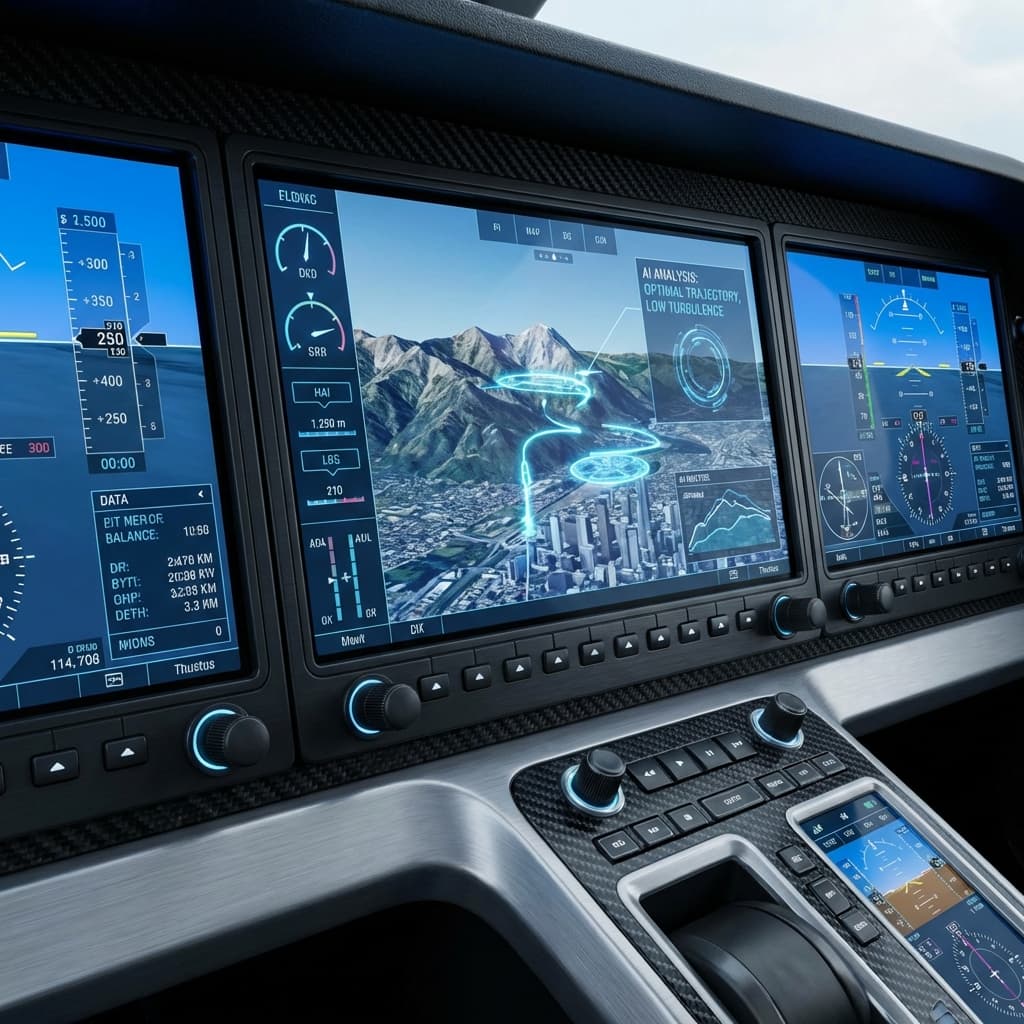
The aviation industry is on the brink of its biggest shift since the jet engine. Artificial Intelligence (AI) and Machine Learning (ML) are not just buzzwords; they are actively reshaping how we train the next generation of pilots. As we move through 2026, the traditional "one-size-fits-all" approach to flight instruction is being replaced by hyper-personalized, data-driven adaptive learning.
In this definitive guide, we explore how AI is optimizing the path to your Private Pilot License (PPL) and beyond.
What is Adaptive Learning in Aviation?
Adaptive learning is an educational method that uses computer algorithms to orchestrate the interaction with the learner and deliver customized resources and learning activities to address the unique needs of each learner.
In the context of pilot training, this means:
- Real-time Analysis: Simulators that track your eye movement and control inputs to detect stress or confusion.
- Customized Curriculums: If you struggle with VOR navigation but excel at radio comms, the AI adjusts your study plan to focus 80% on navigation until you master it.
- Predictive Assessments: Algorithms that can predict your readiness for a checkride with over 90% accuracy based on thousands of data points.
"The pilot of the future will not just be a skilled stick-and-rudder operator, but a manager of complex systems, trained by an intelligence that understands their learning style better than they do themselves."
How Pilot One Uses AI
At Pilot One, we are integrating these principles into our core ecosystem.
1. Smart Question Banks
Our PPL question bank doesn't just shuffle questions. It analyzes your weak areas. If you consistently miss questions on Meteorology involving "Density Altitude," the system will flag this topic and present you with micro-lessons and targeted quizzes to close the gap.
2. The "Pilot for a Day" Experience
For enthusiasts, our AI-driven "Pilot for a Day" module adapts to your prior knowledge. Are you a flight simmer with hours in MSFS, or a complete novice? The system tailored the depth of the explanation accordingly, ensuring you are challenged but not overwhelmed.
The Benefits for Student Pilots
| Benefit | Traditional Training | AI-Enhanced Training |
|---|---|---|
| Pacing | Fixed syllabus speed | Adapts to student's pace |
| Feedback | Delayed (after session) | Instant & Actionable |
| Cost | Higher (extra hours) | Lower (optimized hours) |
| Retention | Standard | High (active recall) |
Will AI Replace Instructors?
No. The role of the Certified Flight Instructor (CFI) is arguably more important than ever. AI handles the data, the pattern recognition, and the rote knowledge transfer. This frees up the human instructor to focus on:
- Airmanship & Decision Making: Nuanced judgment calls that AI cannot yet replicate.
- Mentorship: Building confidence and dealing with the psychological aspects of flight.
- Safety Culture: Instilling the right attitude towards risk.
Conclusion
The integration of AI into pilot training is not about removing the human element; it's about augmenting it. By reducing the time spent on rote learning and inefficient repetition, we can produce safer, more competent pilots faster than ever before.
As you embark on your flight training journey in 2026, look for schools and tools that embrace this technology. Pilot One is proud to be at the forefront of this educational revolution.
PPL(A) question bank available now
1,695 published questions. Nine subjects. Progress you can measure.
Practice content organised around the PPL(A) syllabus, with mock exams and explanations. We continuously review the bank, and every question can be reported from the app for editorial investigation.